Last updated on June 22nd, 2026 at 06:02 am
You’re texting someone. You send a message. They reply with “dw.”
Now you’re stuck.
Is it rude? Is it short for something? Are they mad? Are they brushing you off?
That small two-letter reply makes many people search “dw meaning in text” every day. It looks simple. But tone changes everything.
In fast texting culture, short words carry big meaning. Gen Z, gamers, coworkers, and even parents use “dw.” But it doesn’t always feel the same.
In this guide, you’ll learn exactly what “dw” means, when to use it, when to avoid it, and how to reply without sounding awkward. No guesswork.
No confusion. Just clear answers.
Let’s break it down.
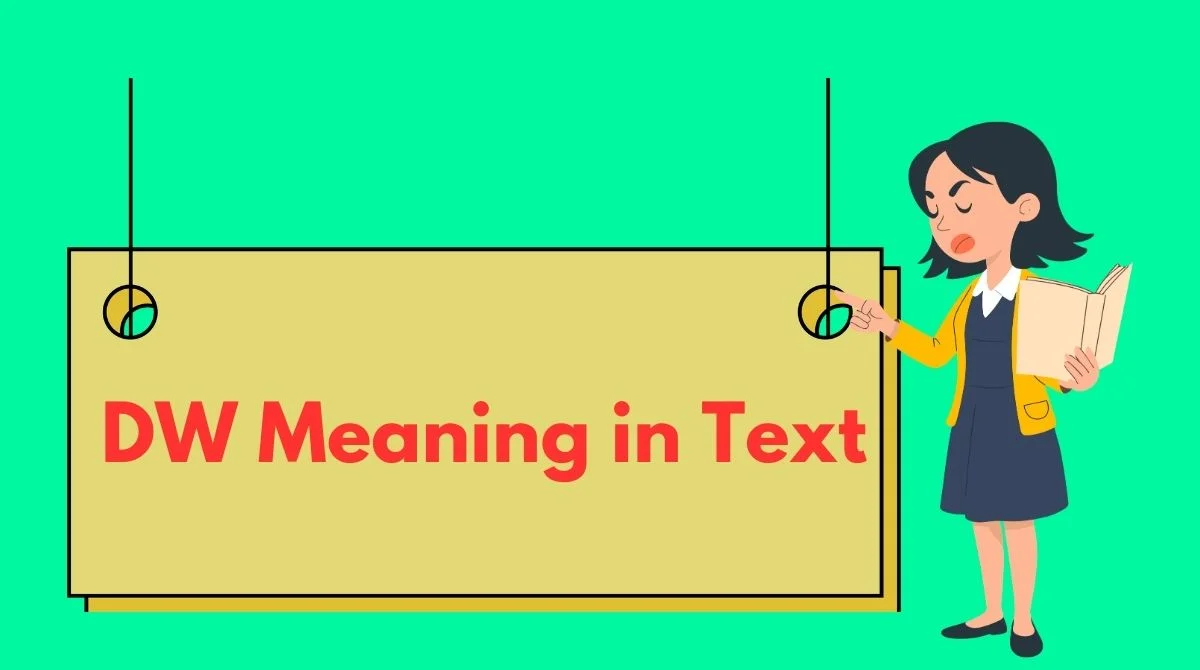
What Does “dw meaning in text” Mean in Text?
“dw” means “don’t worry.”
It’s a quick way to tell someone to relax or stop stressing.
Other less common meanings include:
- “deal with”
- “dark web” (rare in casual chat)
- initials of a name (context-based)
Most of the time, it simply means don’t worry about it.
The Most Common Meanings of “dw”
1. Don’t Worry (Most Common)
This is the main meaning.
People use it to calm someone down.
Example:
- You: “Sorry I replied late.”
- Them: “dw.”
Meaning: It’s okay. No problem.
It can sound kind, casual, or slightly cold depending on tone.
2. Don’t Worry About It
This version adds a small twist. It often means:
- Stop apologizing.
- It’s handled.
- Forget it.
Example:
- You: “I’ll send the money tomorrow.”
- Them: “dw about it.”
Meaning: You don’t need to send it.
3. Deal With (Less Common)
Sometimes “dw” can mean “deal with.” This is rare in casual chat but may appear in certain groups.
Example:
- “I’ll dw it later.”
Meaning: I’ll deal with it later.
Context matters here.
4. Initials (Very Rare)
In rare cases, “DW” can stand for someone’s name. But in texting slang, this is uncommon.
If you’re confused, it almost always means “don’t worry.”
How “dw” Is Used in Real Conversations
Friends & Casual Texting
Among friends, “dw” feels relaxed.
It’s quick and chill.
Example:
- “Sorry I forgot.”
- “dw lol.”
Tone here feels friendly.
But if someone just replies “dw.” with a period, it can feel serious or annoyed.
Tiny details change tone.
Instagram & Snapchat
On social apps, “dw” is often used in replies to stories or DMs.
It can mean:
- It’s fine.
- It’s not a big deal.
- I’m cool with it.
Short replies are normal on social media. Nobody expects full sentences.
Dating Apps
Here tone matters more.
If someone says “dw,” it could mean:
- They don’t mind.
- They’re trying to be cool.
- They’re brushing it off.
Example:
- “Sorry I canceled.”
- “dw.”
If they add emojis or more words, it feels warmer. If it’s just “dw,” it might feel distant.
Gaming & Online Communities
In gaming chats, “dw” is common.
Players use it to calm teammates.
Example:
- “My bad, I died.”
- “dw, we got this.”
Here it feels supportive.
Gamers prefer fast typing, so short words rule.
Work or Professional Chat
This is where it gets tricky.
In casual work chats, “dw” might be fine.
Example:
- “Sorry for the typo.”
- “dw.”
But in formal emails? Not good.
Professional tone usually avoids slang.
Is “dw” Rude, Flirty, or Offensive?
“dw” is not offensive by itself.
But tone changes everything.
When It Feels Positive
- Used with friendly words.
- Used between close friends.
- Used to calm someone.
Example:
- “dw! I understand.”
Feels warm.
When It Feels Cold
- One-word reply.
- No emoji.
- After serious topic.
Example:
- “dw.”
That period can feel sharp.
Can It Be Flirty?
Not really.
But in soft tone, it can feel gentle.
Example:
- “dw, I’ve got you.”
That feels caring.
Context Psychology
Short replies feel different depending on:
- Relationship level
- Message before it
- Punctuation
- Timing
Humans read emotion into short texts. That’s why “dw” can feel sweet or cold.
How to Respond When Someone Says “dw”
Here’s how to reply based on vibe.
Casual Replies
- “Okay cool.”
- “Thanks.”
- “Appreciate it.”
- “Got it.”
Funny Replies
- “Too late, I’m already worrying.”
- “I worry professionally.”
- “Mission impossible.”
Use humor only with close people.
Neutral Replies
- “Alright.”
- “Sounds good.”
- “Noted.”
Safe and simple.
Professional Replies
- “Thank you.”
- “Understood.”
- “Appreciate the clarification.”
Avoid slang back in formal settings.
Common Misunderstandings About “dw”
1. Thinking It’s Rude
Many people think “dw” means someone is annoyed.
Usually, it doesn’t.
It’s just fast typing culture.
2. Confusing It With “idc”
“idc” means “I don’t care.”
That feels colder.
“dw” means relax.
Big difference.
3. Reading Too Much Into It
Short replies aren’t always emotional.
Some people just text short.
Not everyone writes paragraphs.
4. Mixing It With Capital “DW”
All caps can feel louder.
“DW” might feel more intense.
Lowercase “dw” feels softer.
Similar Slang Terms You Should Know
Here are related texting terms:
- idc – I don’t care.
- np – No problem.
- nvm – Never mind.
- brb – Be right back.
- ttyl – Talk to you later.
- ikr – I know, right?
- imo – In my opinion.
- tbh – To be honest.
- smh – Shaking my head.
- wyd – What are you doing?
- fr – For real.
- bet – Okay / agreed.
These appear often with “dw.”
When You Should Avoid Using “dw”
Professional Settings
Formal emails
Client communication
Job interviews
Write full words instead.
Cross-Cultural Chats
Not everyone knows English slang.
It may confuse someone.
Use full phrases if unsure.
Sensitive Situations
If someone shares something serious, avoid short replies.
Example:
- “My dog passed away.”
- Don’t reply: “dw.”
That feels dismissive.
Use empathy instead.
FAQs
What is the full form of dw in text?
It stands for “don’t worry.”
Is dw rude in texting?
No. It depends on tone and context.
What does dw mean from a girl?
It usually means “don’t worry.” Tone depends on the situation, not gender.
What does dw mean from a guy?
Same meaning: “don’t worry.” Context matters more than who sends it.
Is dw flirting?
Not by itself. It can feel soft if paired with caring words.
Can dw mean something else?
Rarely. It can mean “deal with,” but that’s uncommon.
Should I use dw in professional emails?
No. Write “don’t worry” instead.
Final Thoughts.
Now you fully understand dw meaning in text.
It’s simple: it usually means don’t worry.
But tone, timing, and relationship change how it feels.
Short texts are powerful. Two letters can sound kind, calm, cold, or distant. That’s why context matters more than spelling.
When in doubt:
- Read the conversation.
- Think about the vibe.
- Match their tone.
Text smarter. Read deeper. And next time you see “dw,” you won’t overthink it.

I am Lily Parker, a passionate English language enthusiast dedicated to helping learners understand word meanings in a simple and clear way.